WICHITA, KANSAS · THE AIR CAPITAL
Repair Done to Spec.
Delivered to Your Driveway.
This town builds aircraft and knows what a checklist is worth. Your car gets the same religion: measured, documented, torque-verified.
Call 316-374-5744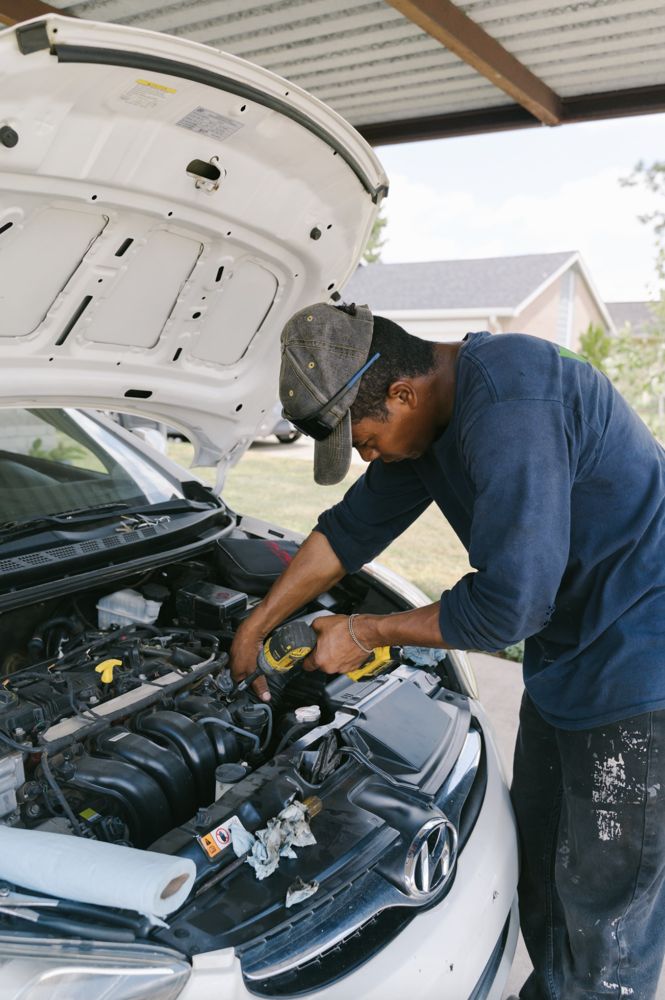
Aircraft-Town Standards, Automotive Prices
Half of Wichita clocks into buildings where a skipped step gets caught by an inspector and a wrong torque gets caught by physics. That mindset is the whole personality of this one-truck shop. Diagnosis produces readings, not vibes. Repairs follow the published procedure, fasteners meet their specified values, and the job is not finished until the road test says so. None of this requires a hangar; it requires a mechanic who works the same when nobody is watching, which is the only kind worth hiring.
The paperwork proves it. Every visit ends with documentation: what was measured, what was replaced, what torque the wheels left at, what the next thing to watch is. Your glovebox fills with a service history instead of vague receipts, and your next mechanic, even if it is not me, starts smarter because of it.
The Procedure List
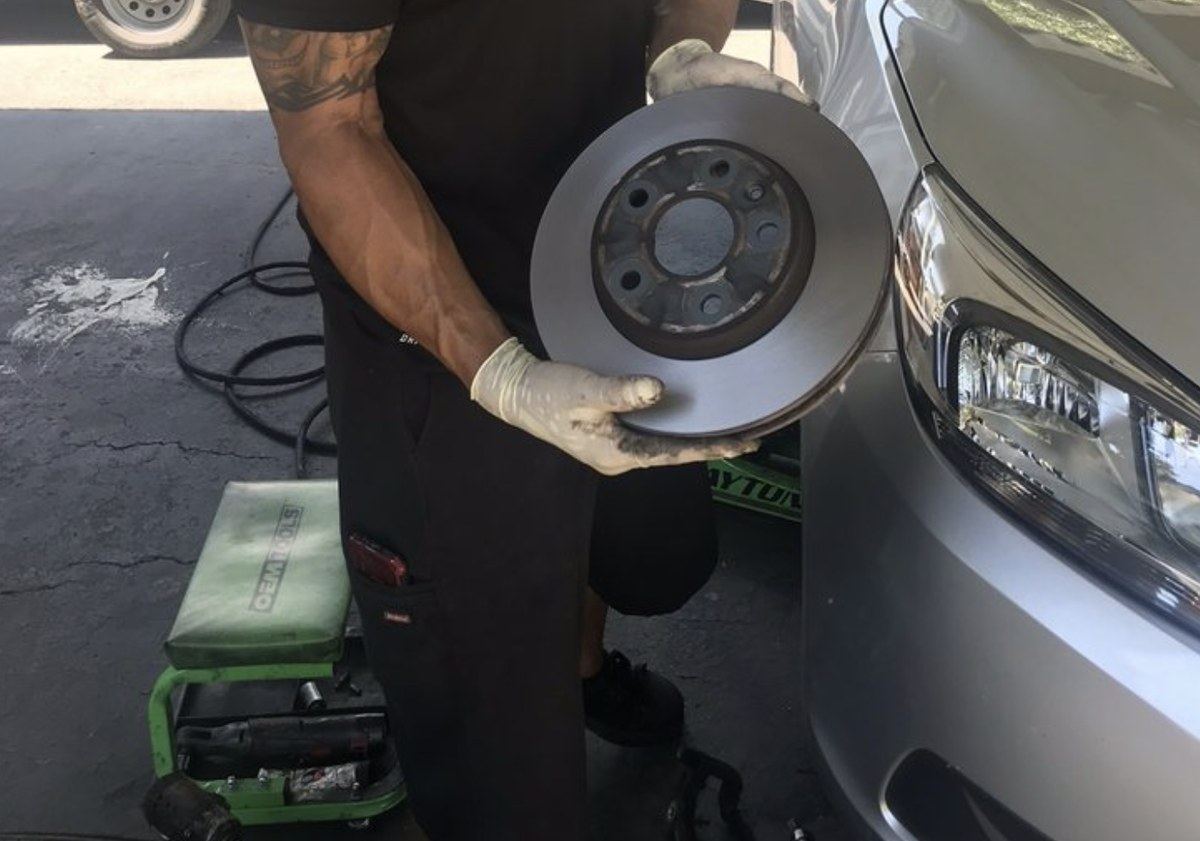
- 01Brake repairMeasured in millimeters, finished with a torque wrench.
- 02No-start diagnosticsFault isolation in sequence. Dead cars go first.
- 03Battery & chargingFull-circuit testing with printed readings.
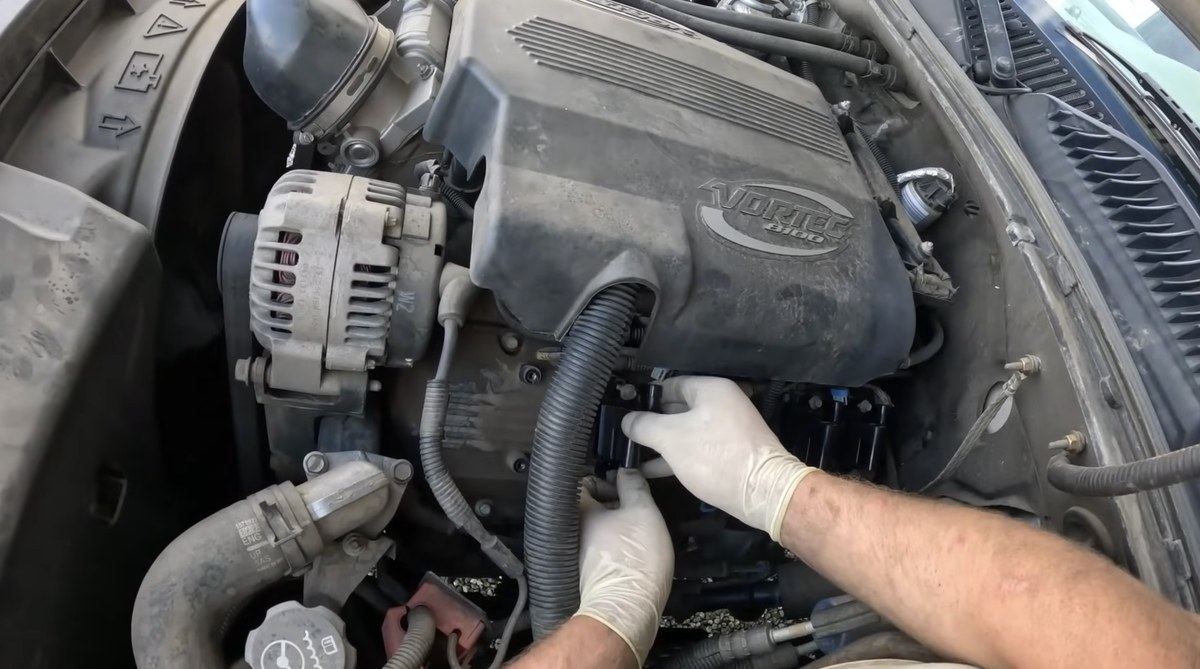
- 04Check engine lightRun to ground with live data, not guessed from a code.
- 05Mobile diagnosticsIntermittents instrumented and caught in the act.
- 06Mobile auto repairAlternators to wheel bearings, executed at your address.
One line. Answered by the mechanic who does the work.
316-374-5744Wichita · Derby · Haysville · Park City · the metro grid
What Kansas Does to Cars
The local wear pattern is written by the weather and the map. Summers hot enough to age a battery years in months, then cold snaps that collect the bill. Forty-degree swings in a day that work connectors loose and split aging rubber. Hail that sends everyone to their insurance app and floods that drown low intersections twice a spring. And underneath it all, flat straight miles that lull brakes to sleep and grind quietly on belts, bearings, and everything that rotates.
A mechanic who runs these streets daily plans for all of it: batteries judged by age and season, rubber inspected past its surface, post-storm triage as a standing service, and maintenance rhythms built around plant shifts rather than around a waiting room's convenience.
How a Visit Runs
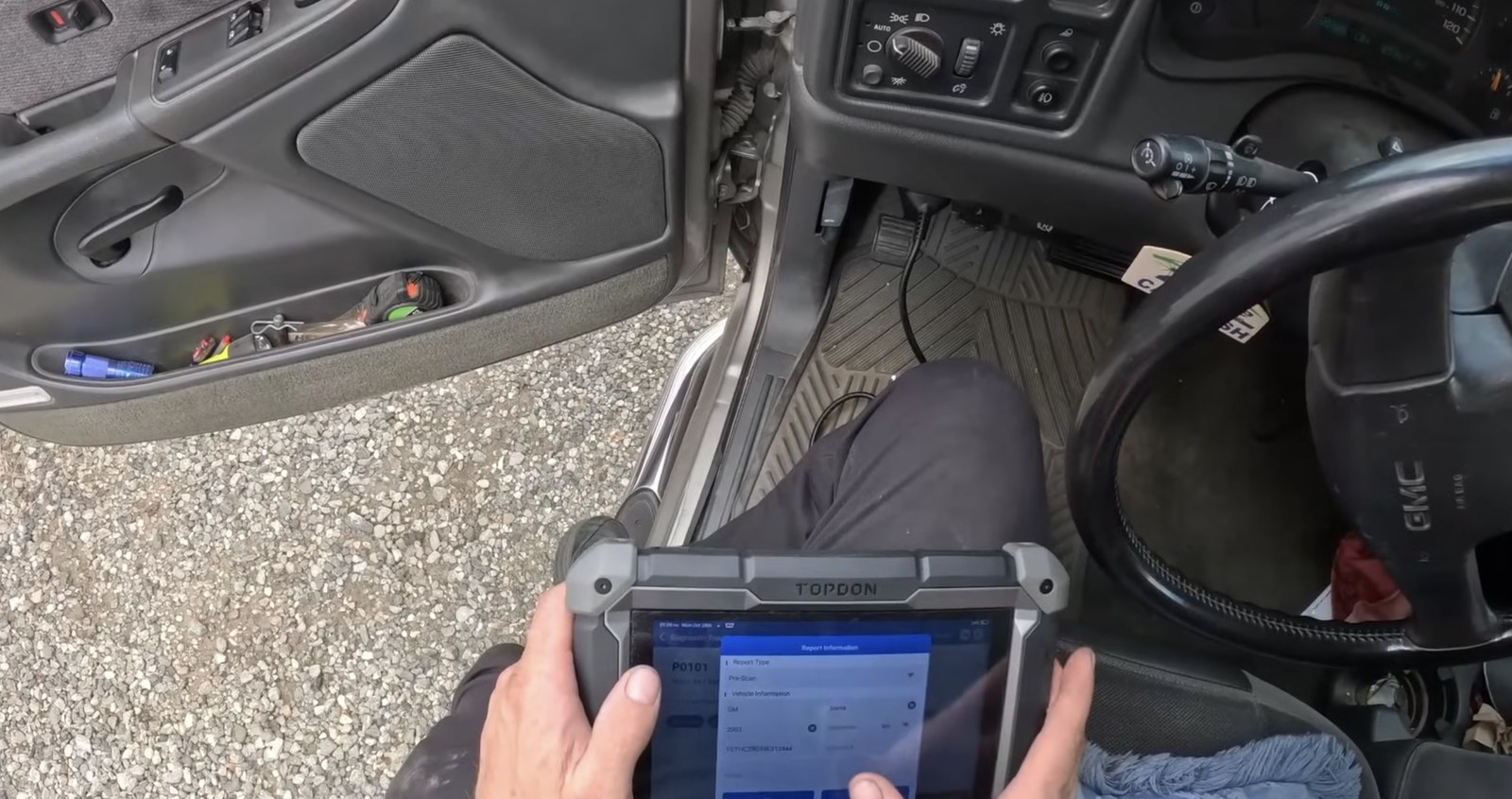
Call or text with four facts: the vehicle, the symptom, the address, and your real deadline. Back comes the trip price, the window, and for most jobs a written estimate before the truck ever rolls. On site, diagnosis produces its readings, the repair follows its procedure, and anything unexpected stops the work for a photo and your go-ahead. The finish line is fixed: road test, old parts presented, itemized record to your phone, invoice matching the quote.
You are welcome at every step or at none of them. Plenty of customers hand over keys and a location pin and pick the car up finished after a shift, with photo documentation of everything that happened while they were building airplanes.
Built for Shift Work and Base Life
Spirit and Textron badges, McConnell families, hospital rotations, school-run logistics: this metro runs on schedules with no slack in them, and the service is engineered around that fact. Early windows before first shift. Parking-lot repairs during one. Dead cars prioritized because a missed shift costs more than the repair. Deployed spouses booking from overseas with updates routed to the right phone. The car is infrastructure in a town like this, and it gets maintained like infrastructure: on schedule, to spec, with records.
Why Mobile Repair Costs Less Overall
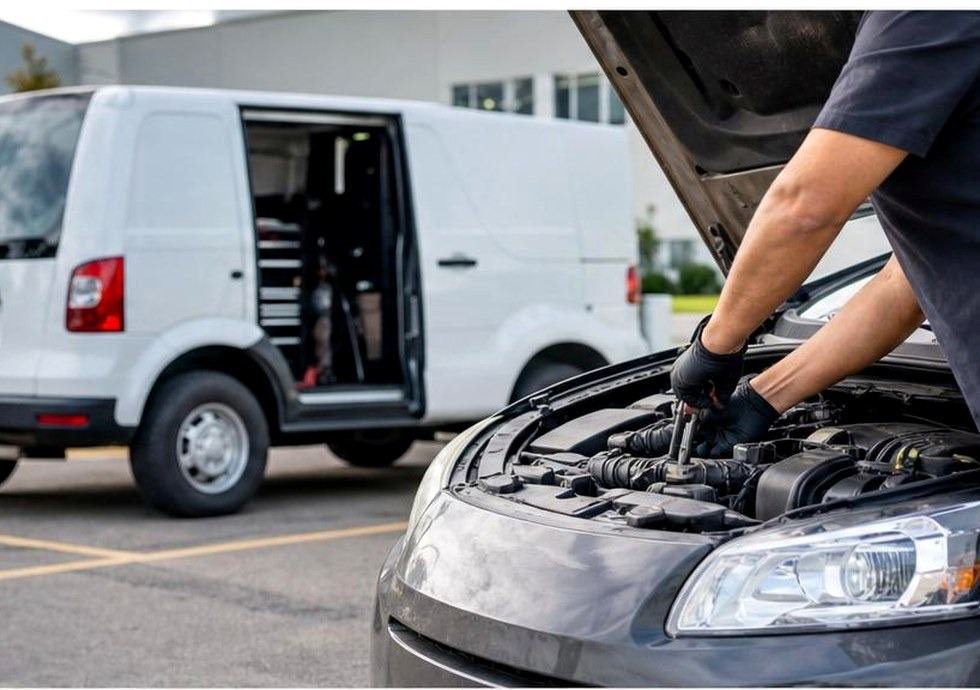
Price out the traditional bad morning: a tow across town, a shop queue that owns your car for two days, rides begged or rented in the gap, and the repair itself waiting at the end like a punchline. The mobile model deletes the first three lines and leaves the repair, which was the only line that ever fixed anything. Most breakdowns are electrical or wear-related, which means most are repairable exactly where the car sits, and the dollars that would have paid the flatbed pay for parts instead. The exceptions, true transmission failures, crash damage, jobs that need a lift, get named honestly on the phone, and you are pointed to the right shop with your symptoms already written up, so their clock starts at the useful part.
Hail and Storm Procedures
Every Wichitan owns a hail story, so here is the working protocol. Before the season: photograph your car clean, once around, five minutes that turn any future insurance conversation from argument into paperwork. When the sirens quiet: resist the urge to test-drive damage. Hood dents rarely matter; a cracked windshield, water over the floorboards, or a car that sat in a flooded dip absolutely do, and the drowned-electronics cases are the ones where driving multiplies the bill. The morning after a big cell, this truck runs triage calls: what is safe, what is repairable, what the adjuster needs to hear, documented in the plain language insurance responds to. Call early; the queue after a real storm builds before breakfast.
A Standard You Can Check
Talk is cheap in every trade, so this operation prefers checkable claims. The torque wrench is in your driveway; ask to watch the lugs finished and you will be handed ear protection and a front-row seat. The readings quoted are on paper; compare them to the spec column printed beside them. The old parts are lined up before the invoice arrives; poke at the worn rotor ridge yourself. A town that inspects aircraft for a living should audit its mechanics the same way, and the ones worth keeping will enjoy the attention. This one does, and the invitation is standing. Bring your skepticism to the first visit; it tends to leave earlier than the truck does.
Who Calls This Number
A second-shift machinist whose truck has to start at 10 p.m., no exceptions. A McConnell spouse running two kids and one car through a nine-month deployment. A WSU student whose sedan lives outside through every season the sky invents. A Goddard commuter whose gravel road is slowly disassembling his wiring harness. A retiree whose garage-kept classic asks for little and deserves it done right. Different cars, different stakes, one common requirement: repair that shows up, does what it quoted, and proves it before leaving. That requirement is the entire business plan, and it scales from a jump-start to a full brake system without changing character.
Seasonal Checks, On a Schedule
The Kansas year has four automotive deadlines, and meeting them beats reacting to them. Spring: post-storm checks and a look at what winter salt and cold actually cost the underside. Summer: cooling systems verified before the first hundred-degree week, batteries tested before vacation miles. Fall: the winterization pass, battery, charging, belts, fluids, done while the weather is still friendly. Deep winter: mostly the phone ringing for everyone who skipped fall. The truck runs all four seasons on schedule for its regulars, one reminder text at a time, and the regulars are the calmest car owners in the county.
Straight Questions, Measured Answers
What does a visit cost?
The trip carries a flat figure quoted on the phone, and every repair shows its written price before any work happens, labor split from parts. The quote is the invoice; mid-job discoveries pause everything for a photo and your approval first.
How quickly can you get to a dead car?
Cars that will not run hold priority, and most in the metro see the truck the same day. State your real deadline, a shift, a flight, a school run, and the schedule gets built backward from it.
Do you actually torque everything to spec?
Yes, and you are welcome to watch it happen. Wheel lugs in a star pattern with a torque wrench, not an impact gun left on its highest setting. In a town full of people who build aircraft, doing it right is just table manners.
Can you work in my employer's parking lot?
Routinely, with the lot's permission. The car gets diagnosed and repaired during your shift, photos document everything, and you drive home on finished work. For plant and base schedules, that beats burning a day off every time.
What about hail and storm damage?
After a big cell, the truck runs post-storm triage: dead batteries from hazard-light nights, flooded-dip electrical trouble, and honest drivability assessments you can hand your insurance adjuster. Call early on those mornings; the queue builds fast.
What do you not do?
Alignments, tire mounting and balancing, glass, transmission internals, and bodywork. Unsure whether your problem fits? Ask; back comes a yes, an honest no, or the name of a Wichita shop that will treat you square, free in all three cases.
Put It on the Schedule
Four facts by call or text, and your car trouble becomes a procedure with a date on it.
316-374-5744Measured · Documented · Torque-verified